Organic Hub
15 Feb 2024
CSR Impact History
From studies on the status of herbal cultivation in communities across Prachinburi province, it was found that some communities still lacked clear cultivation processes. This resulted in low-quality and low-yield harvests, causing them to miss sales opportunities during each delivery cycle due to not meeting quotas. In some communities, local leaders experimented with cultivation methods of herbs such as Cissus quadrangularis and bitter gourd, and also guided enterprise members in monitoring and care. As a result, those communities achieved higher yields and better product quality. However, in many cases, knowledge transfer within communities occurred only through verbal discussions or training sessions, without proper written documentation. This led to inaccuracies in details such as cultivation days, or the amount of fertilizer used, as these varied from conversation to conversation. Therefore, our team decided to pilot a project in Prachinburi’s community enterprises, creating solutions to help communities cultivate organic herbs more effectively and sustainably, thereby ensuring stable income. The long-term goal is to strengthen communities and expand this model nationwide.
CSR Impact Challenge
Farmers often manage multiple plots with different types of crops, leading to confusion or missed cultivation steps. , Lack of knowledge and tools for herbal cultivation. , No centralized source of knowledge or problem-solving guidelines. , Inconsistent record-keeping of costs and profits.
CSR Impact Implementation
Conduct community surveys to analyze problems and needs.
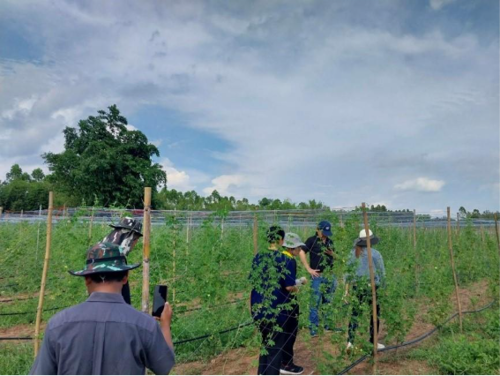
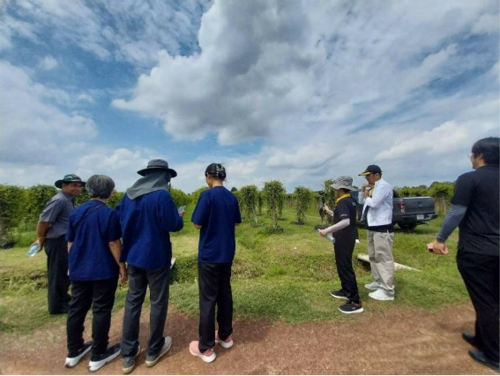
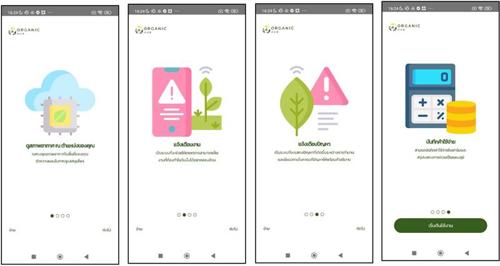
Plan operations and develop the “Organic Hub” application, designed around the MCTS Model to improve herbal cultivation efficiency. The system helps guide and monitor farmers throughout the process:
M – Manual
Each step includes clear instructions with images and videos. It also provides details on common problems such as pests and diseases, along with suggested solutions.C – Checklist
Daily reminders notify farmers of required tasks, ensuring nothing is overlooked.T – Template
Each herb has its own cultivation template. Farmers can select the herb type and input conditions such as soil type and whether it is the first or second cultivation cycle. The system then generates appropriate cultivation steps.S – Scheduling
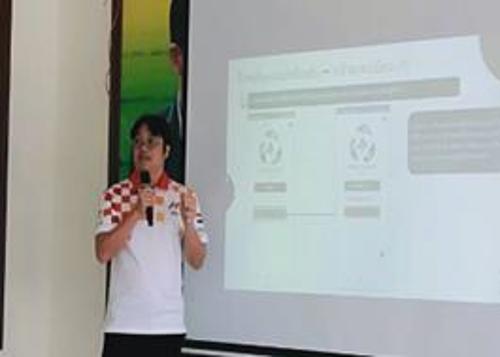
Farmers often manage several plots and different crops with staggered planting times. The system provides schedules for each step across plots, helping farmers plan, postpone, or cancel tasks. For farms with multiple workers, tasks can be divided by area.Train farmers to use the application, provide user manuals, and address questions.
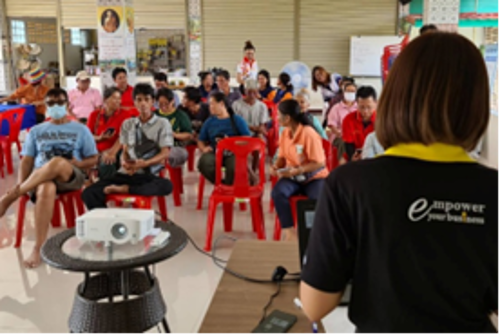
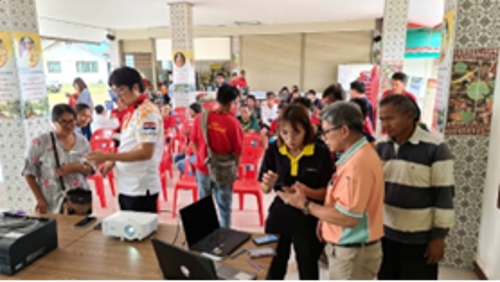
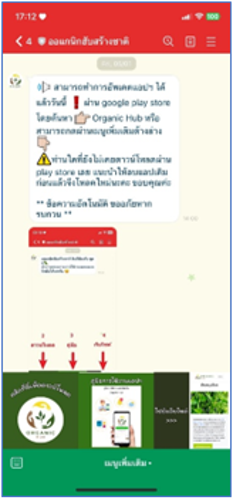
Support farmers through a dedicated Line Official Account.


CSR Impact Impact
Community enterprises gained recognition through online platforms such as Facebook pages and local news agencies in Prachinburi and Rayong provinces.
Farmers’ income increased significantly. For example, bitter gourd yields rose from an average of 26,000 THB per rai to 80,000 THB per rai using the application.
Improved cultivation capacity, higher yields, and reduced unnecessary costs.
Banks can now reference farmers’ income and expense records from the app when assessing financial capability.
Organic Thailand can use reports generated from the app to evaluate and approve organic farming plots.
► He stated, “This application will bring significant benefits in the future. It will enable farmers to grow organic herbs in compliance with Organic Thailand standards and achieve cost-effective yields, allowing them to repay past debts and build additional savings.”
► He stated, “This application is very helpful for recording farm plot information and production costs. It is easy to understand and enables farmers to plan their investments for each production cycle on their own, reducing the risk of financial losses.”
► He described Organic Hub as “an accessible and user-friendly innovation. The knowledge gathered on the platform helps new farmers avoid costly trial and error that could lead to lost opportunities, reduced income, and debt.”
► He stated, “This application will help the bank gain greater confidence that farmers participating in the project have sufficient opportunities and potential to repay their debts, making it easier to approve various forms of financial support.”